The Transformative Power of Sales Coaching

The Quick Take
Imagine a sales team consistently overachieving their targets, year after year. The revenue that flows into the company augments growth, prompts investment, and fosters an environment of success. This isn’t just wishful thinking. In recent
Understanding Sales Coaching
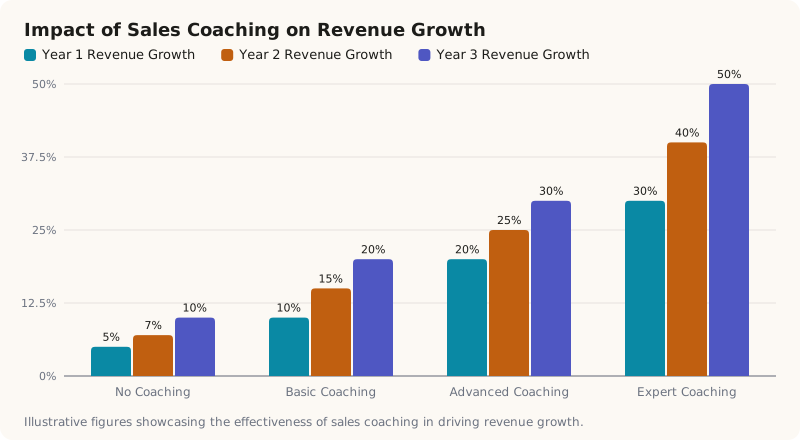
Imagine a sales team consistently overachieving their targets, year after year. The revenue that flows into the company augments growth, prompts investment, and fosters an environment of success. This isn’t just wishful thinking. In recent years, organizations have turned increasingly to sales coaching as a keystone strategy for driving performance. The effectiveness of sales coaching doesn’t merely rely on intuition; it’s supported by recent studies and trends showcasing concrete results.
The Challenge of Sales Performance
A significant concern among B2B companies is aligning their sales teams with the evolving demands of the market. Sales representatives often struggle to adapt to new technologies and methodologies, leading to missed opportunities and diminished performance. In a survey by the Sales Management Association, a startling 77% of organizations acknowledged that they were failing to utilize their sales talent effectively.
The Concrete Benefits of Sales Coaching
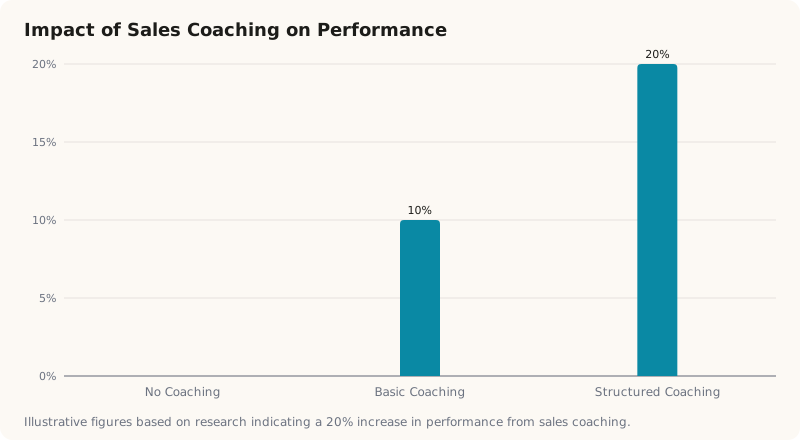
Sales coaching isn’t merely a buzzword; it’s a structured approach that results in improved sales effectiveness. Research indicates that companies focusing on coaching see a 20% increase in performance compared to those that don’t. Here’s how:
1. Personalized Skill Development
Generic training sessions often overlook the unique strengths and weaknesses of individual sales representatives. Sales coaching is designed to provide tailored development, focusing on the areas that need the most attention. For instance, a coach may work one-on-one with a sales rep to refine their cold-calling techniques while another may focus on enhancing negotiation skills. This individual attention leads to substantial growth in confidence and capability.
2. Increased Accountability
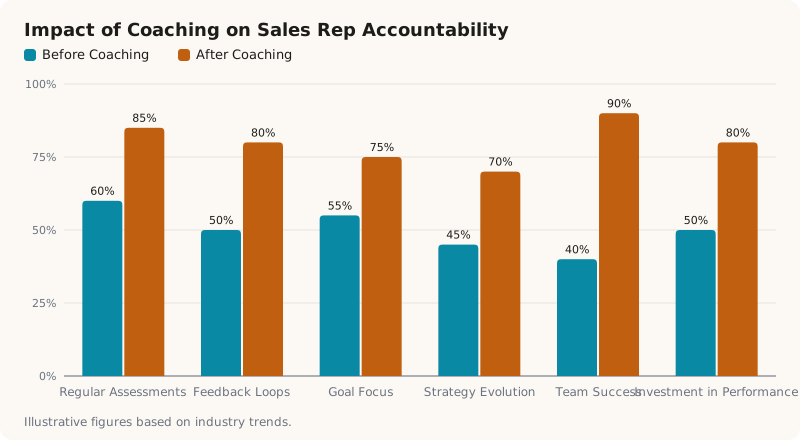
When sales reps know they will be regularly assessed and supported, they are more likely to remain accountable for their performance. Regular feedback loops ensure that they stay focused on their goals and continually evolve their strategies. This consistent engagement creates a culture of accountability, where each team member feels invested in both their successes and the overall success of the team.
3. Integration of Technology
As digital tools proliferate in the sales landscape, effectively leveraging these tools can set successful teams apart. Coaches adept at integrating technology into training realize its potential to improve productivity. For example, equipping sales teams with CRM tools can lead to enhanced customer interaction. Regular coaching sessions can teach teams how to fully utilize these tools, ensuring that they are not just present but actively improving sales outcomes.
Practical Tips for Implementing Sales Coaching
For organizations looking to invest in sales coaching, here are three practical tips to consider:
1. Assess Individual Needs
Start with a comprehensive assessment of your team’s capabilities. Identify the strengths each member brings and the areas needing development. Tailor coaching sessions to target these specific needs to maximize impact.
| Team Member | Strengths | Areas Needing Development |
|---|---|---|
| Alice | Customer Relationship Management | Negotiation Skills |
| Bob | Lead Generation | Closing Techniques |
| Charlie | Market Research | Time Management |
| Dana | Presentation Skills | Product Knowledge |
| Eve | Data Analysis | Consultative Selling |
| Frank | Networking | Follow-up Strategies |
| Grace | Sales Strategy Development | Objection Handling |
2. Establish Clear Objectives
Coaching should be goal-oriented. Establish clear, measurable objectives in line with company targets. Whether it’s improving lead conversion rates or increasing average deal size, having defined goals provides direction and purpose to the coaching efforts.
3. Foster a Feedback Culture
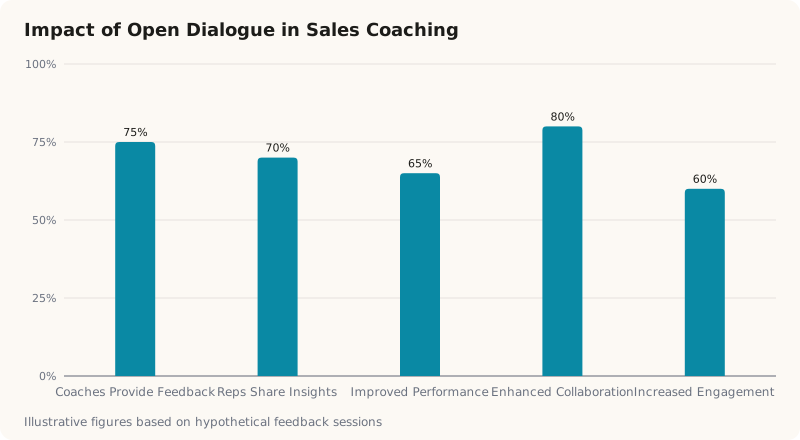
Encourage an open dialogue during coaching sessions. Constructive feedback should flow both ways—coaches should provide insights, and reps should share what’s working or what isn’t. This collaborative spirit fosters a healthy learning environment and opens avenues for continuous improvement.
Conclusion
As B2B landscapes become increasingly competitive, the benefits of sales coaching continue to emerge as a leading factor in cultivating high-performing sales teams. By investing in personalized development, fostering accountability, and integrating technology, organizations can elevate their sales performance and position themselves for sustained growth. The time to focus on an effective sales coaching strategy is now—your team’s success hinges on it.
Ready to Audit Your Pipeline?
Get a high-level Training Needs Assessment for your sales organization.
About Nabeel Khalid
Nabeel is the founder of Sales Bullseye. He has trained hundreds of B2B sales professionals across Pakistan and the United States in the Bullseye Method — a high-integrity, methodology-led approach to complex deal closure built on retention, not one-off workshops.