How Stripe's New Pricing Model Could Shift the Landscape of Financial Services

The Quick Take
In late 2021, Stripe slipped a short note into its developer blog that would ripple through the fintech ecosystem. The announcement: a new usage‑based pricing model for Radar, its fraud‑detection engine, replacing the flat $0.025‑per‑transa
The day Stripe rewrote the fee playbook
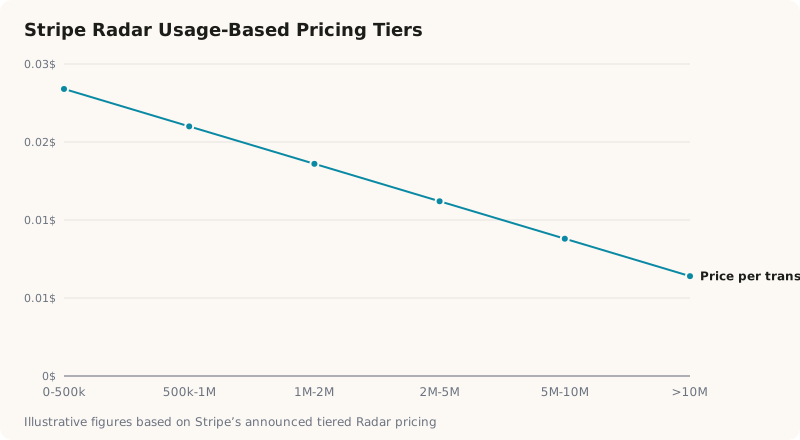
In late 2021, Stripe slipped a short note into its developer blog that would ripple through the fintech ecosystem. The announcement: a new usage‑based pricing model for Radar, its fraud‑detection engine, replacing the flat $0.025‑per‑transaction charge with a tiered schedule that falls as volume climbs.
Why the move looked like a gift — and a trap
At first glance the change reads like a win for high‑growth platforms: the more you process, the less you pay per swipe. For a startup pushing millions of payments through Stripe, the effective cost can drop dramatically, freeing cash for product or hiring. The logic is simple — align the fee with the actual risk exposure that Radar is meant to mitigate.
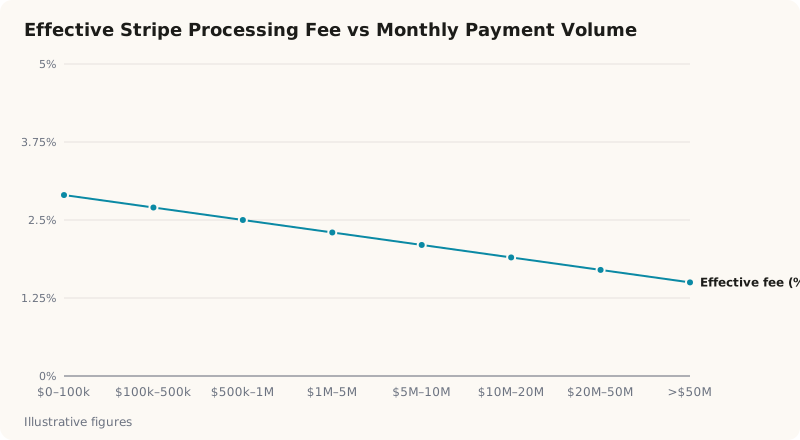
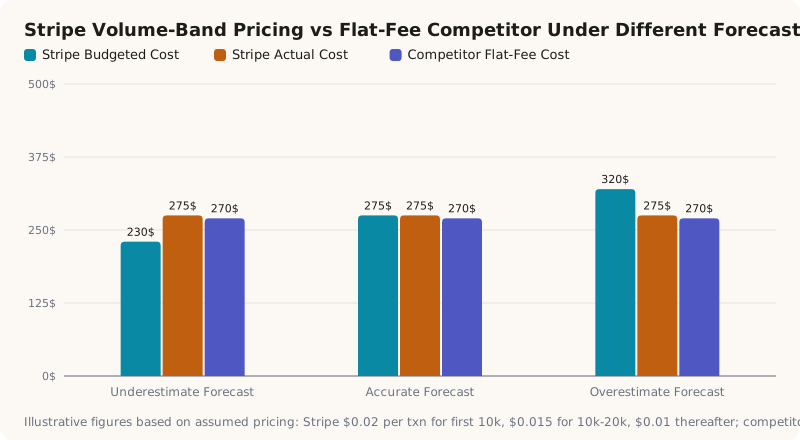
But the same twist creates a new layer of complexity for early‑stage firms. Instead of a predictable line item, finance teams now must forecast volume bands to estimate expense. A mis‑judged forecast can turn a hoped‑for saving into an unexpected bill. Moreover, competitors that still offer a flat‑fee model can appear simpler, pulling price‑sensitive buyers away from Stripe’s newly nuanced offering.
The takeaway — what sales and pricing teams should steal
- Transparency beats secrecy, but only when the model stays understandable. If you introduce tiers, give customers a calculator or clear thresholds.
- Usage‑based pricing fuels expansion revenue — when customers grow, your revenue grows with them — but you must pair it with robust forecasting tools for the buyer’s side.
- Sell the outcome, not the metric. Fraud prevention is the real value; the per‑transaction fee is just a conduit. Frame the conversation around reduced charge‑backs and higher approval rates.
- Watch the reaction. When a giant reshapes its price sheet, rivals scramble to copy or counter‑position. Keep an eye on alternative providers and be ready to emphasize service, support, or bundled features that a pure price play can’t match.
Bridge to tax consulting
Shifts in payment‑processing fees have a direct line to your tax liability — lower processing costs can shift profit margins, alter nexus calculations, and affect how you allocate expenses across jurisdictions. Getting the numbers right isn’t just a finance exercise; it’s a tax‑planning imperative.
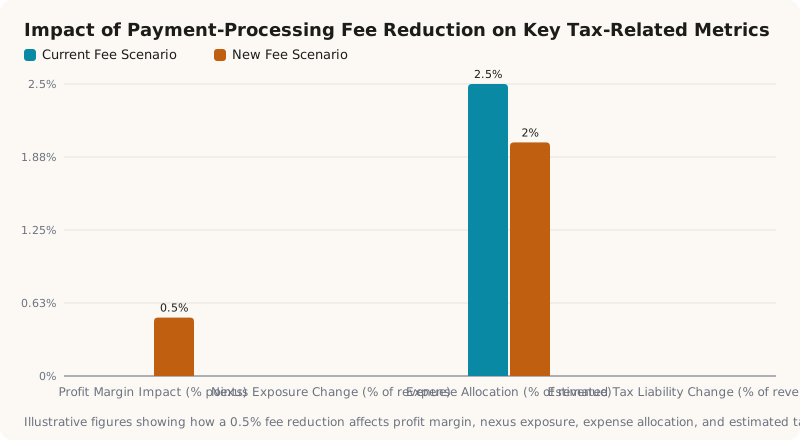
CTA: Book a free tax‑consulting review to see how Stripe’s new pricing model could reshape your bottom line.
| Annual Transaction Volume | Current Annual Cost | Stripe New Annual Cost | Annual Savings |
|---|---|---|---|
| $1,000,000 | $32,000 | $27,000 | $5,000 |
| $5,000,000 | $160,000 | $135,000 | $25,000 |
| $10,000,000 | $320,000 | $270,000 | $50,000 |
Ready to Audit Your Pipeline?
Get a high-level Training Needs Assessment for your sales organization.
About Nabeel Khalid
Nabeel is the founder of Sales Bullseye. He has trained hundreds of B2B sales professionals across Pakistan and the United States in the Bullseye Method — a high-integrity, methodology-led approach to complex deal closure built on retention, not one-off workshops.